
The True Cost of DIY E-commerce: Why Professional Development Pays Off
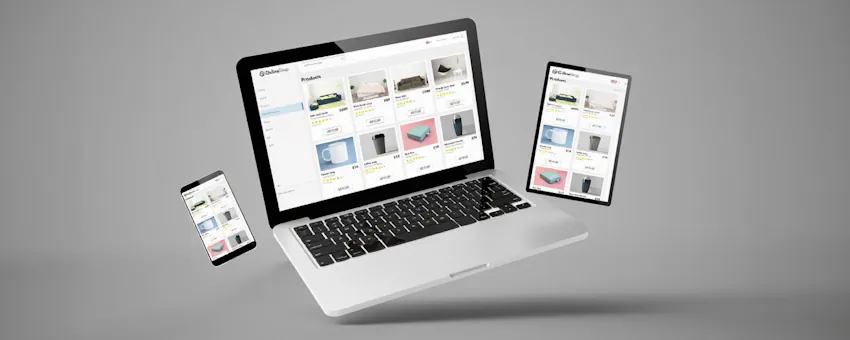
Let's talk shop. After watching hundreds of businesses launch online stores, I've witnessed the same painful movie play out time after time: ambitious entrepreneur finds a tempting DIY platform, builds a site over the weekend, celebrates the initial launch, then slowly drowns because of unexpected complications.
You've seen those ads, right? "Launch your dream store in just hours!" "No coding required!" "Only $29/month!" Man, they make it sound easier than microwaving popcorn.
Look, I get it. When you're bootstrapping a business, that DIY route looks mighty appealing. But as someone who's rescued countless entrepreneurs from DIY disasters, I need to spill some uncomfortable truths about what those slick commercials don't mention.
1. The Hidden Time Vampire
Picture this: you block off a weekend to build your store. Two weeks later, you're still looking at YouTube tutorials at 2 AM trying to figure out why your product variants won't display correctly. And trust me, this scenario ain't the exception - it's the norm!
One client came to us after spending 200+ hours on her "quick-launch" store. "I could've done pop-up markets in every city in the state with that time," she lamented. Yes, DIY platforms present a deceptive simplicity, but that simplicity crumbles when you need anything beyond bare-bones functionality.
What's your hourly rate worth? Multiply that by the countless nights troubleshooting payment gateway errors, instead of focusing on your actual products or customers. That "cheap" solution suddenly costs a small fortune in opportunity costs.
2. The Scalability Wall You'll Slam Into
Here's where things get extra painful. Your business grows (congrats!), but your DIY platform can't keep up. You've hit what I call the “template ceiling" - that moment when your actual business needs outstrip what drag-and-drop builders can deliver.
I watched a specialty food company struggle with inventory management across multiple warehouses. Their DIY platform simply couldn't handle this type of data without involving spreadsheets, sticky notes, and prayer. They finally switched to a custom solution after miscounting inventory cost them $30K over one horrific weekend.
3. The Cookie-Cutter Syndrome: Death By Boring
Ever notice how certain websites just scream "template"? Customers notice this too! And when your site resembles 50,000 others, you've immediately signaled mediocrity.
DIY themes crush your brand uniqueness under the weight of generic design. A fashion boutique owner told me, "I realized I'd built exactly the same site as my competitor across town, down to the font choices, because we'd picked the same template." Big yikes!
4. Security Nightmares Will Keep You Awake
DIY platforms often skimp on crucial security features, leaving your business vulnerable to attacks that professional developers can anticipate and prevent. Last year, I witnessed a small jewelry shop lose $15,000 to fraud because their DIY checkout lacked basic security protocols that any professional developer would've implemented on day one.
GDPR, CCPA, PCI compliance… these alphabet-soup regulations carry hefty penalties for non-compliance. DIY platforms typically offer minimal guidance, leaving you exposed to potential fines that'd make your accountant weep.
5. The Add-On Fee Frenzy
And the cruelest DIY irony? That "$29/month" plan balloons faster than a pufferfish in danger. Need abandoned cart recovery services? That's an add-on. Want advanced analytics? Another fee. Custom checkout? Oh, you need the super premium plan upgrade!
One client showed me their DIY platform bill a few months ago. It started at $29 indeed, but it ended at $219 monthly after all necessary add-ons. Plus a 2% transaction fee that silently siphoned thousands yearly. Ouch!
The Professional Alternative: Investment vs. Expense
When you hire pros to build your e-commerce presence, you're not just buying a website; you're investing in a business asset tailored specifically to generate revenue for your unique operation.
Professional developers don't just code; they bring strategic insight from dozens, and sometimes even hundreds of similar projects. Your bakery site needs special delivery scheduling? Your jewelry store needs custom engraving options? We've solved these problems before, saving you from reinventing the square wheel.
Custom development means owning your digital infrastructure, rather than renting increasingly cramped space in someone else's ecosystem. You control your destiny, your data, and your customer relationships - without platform limitations or surprise fee hikes.
The Bottom Line (Because That's What Matters)
If you're testing concepts or launching a tiny side hustle, DIY might suffice temporarily. But once you're serious about growth, professional development isn't a luxury; it's essential infrastructure.
Think of it this way: Nobody blinks at investing in physical store fixtures, inventory systems, or staff training. Your digital storefront deserves equal strategic consideration.
After watching dozens of e-commerce businesses struggle through DIY limitations, I've never once heard someone say, "I wish I'd stuck with that template site longer." But I've heard countless entrepreneurs say, "I wish I'd invested in professional development sooner; I'd be so much further ahead now."
The question isn't whether you can afford professional development. The big question is if your business can afford the limitations, security risks, and hidden costs of not having a site created by professionals.